
Explore the timeless charm of moon river sheet music pdf, a classic that invites pianists, vocalists, and arrangers to reinterpret its gentle melody․ This guide highlights key features, offers practical tips, and encourages creative exploration while respecting musical heritage․ Perfect for study and performance․

History of the Song
Moon River, composed by Henry Mancini with lyrics by Johnny Mercer, first appeared in the 1961 film Breakfast at Tiffany’s․ The song’s gentle, lyrical melody captured the imagination of audiences worldwide, and it quickly became an iconic standard․ Its first recording by Andy Williams in 1962 helped cement its place in popular music history․
The piece was written for the character Holly Golightly, played by Audrey Hepburn, and was intended to reflect her longing for adventure and freedom․ Mancini’s lush orchestration, combined with Mercer’s poetic words, created a timeless piece that transcended its cinematic origins․ Over the decades, Moon River has been covered by countless artists, from Ella Fitzgerald to the modern duo of Norah Jones and the band of The Piano Guys․
In 1962, the song won the Academy Award for Best Original Song and the Grammy Award for Best Song Written for a Motion Picture or Television․ Its influence is evident in the way it has inspired countless musicians to write songs that blend cinematic storytelling with melodic beauty․ The song’s structure—its memorable hook, lyrical phrasing, and harmonic progression—has become a textbook example for songwriting workshops around the world․
Today, the song remains a staple in vocal and instrumental repertoires․ Its enduring appeal is evident in the numerous arrangements available, including the popular moon river sheet music pdf formats that allow musicians to explore the piece in depth․ Whether performed as a solo piano ballad, a full orchestral arrangement, or a jazz trio rendition, Moon River continues to inspire new generations of musicians and listeners alike․
Why It Matters to Musicians
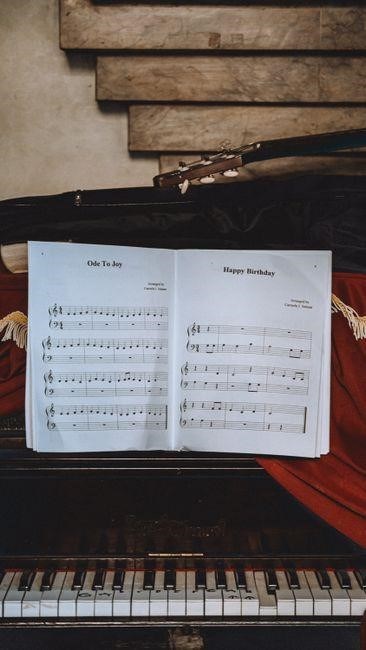
Moon River remains a cornerstone in the musician’s toolkit, offering a rich blend of harmonic sophistication and lyrical simplicity that is ideal for study and performance․ The moon river sheet music pdf format provides immediate access to the original score, allowing performers to analyze the piece’s melodic contour, rhythmic nuances, and dynamic shading without the distraction of transcription errors․ For vocalists, the song’s lyrical phrasing offers a platform to practice phrasing, breath control, and emotional expression, while instrumentalists can dissect the harmonic progression and explore reharmonization techniques that keep the arrangement fresh․
Because the composition is rooted in a cinematic context, it invites musicians to think beyond the notes and consider storytelling through music․ The song’s iconic opening line, “Moon river, wider than a mile,” serves as a masterclass in melodic development, demonstrating how a simple motif can evolve into a memorable hook․ By studying the score, musicians learn how to balance melodic simplicity with harmonic depth, a skill that translates to songwriting, arranging, and improvisation across genres․
Moreover, the moon river sheet music pdf democratizes access, enabling include classic and recordings․

Finding moon river sheet music pdf online
Discover reliable sources for moon river sheet music pdf, from official publishers to reputable libraries․ Use search filters, verify file integrity, and respect licensing․ A concise guide helps musicians locate authentic, high‑quality PDFs quickly and safely․ Download responsibly and share responsibly․ for all․ Enjoy!
Free vs․ Paid Sources
Free and paid sources for moon river sheet music pdf differ in accessibility, legality, and quality․ Free sites such as public‑domain archives, university repositories, and community‑sourced libraries offer quick downloads, but they often lack editorial polish, accurate key signatures, or proper copyright clearance․ Users must verify that the version is truly in the public domain or that the uploader has explicit permission․ Paid platforms—official publishers, licensed distributors, and subscription services—provide professionally scanned scores, detailed performance notes, and guaranteed copyright compliance․ These resources typically include multiple arrangements, tempo markings, and chord symbols, making them ideal for serious study or concert preparation․ The trade‑off is cost; a single PDF may range from $5 to $25, while subscription models can cost $10–$30 per month․ Another consideration is file format and resolution: paid PDFs usually feature high‑resolution images and editable XML files, whereas free PDFs may be low‑resolution scans that are difficult to read․ Musicians should also consider the support offered—paid sites often provide customer service, updates, and the ability to request custom editions․ In contrast, free sites rely on community maintenance and may lack timely corrections․ Ultimately, choosing between free and paid sources hinges on the user’s needs: casual listeners may be satisfied with a quick, low‑cost download, while performers and educators benefit from the reliability and depth of paid editions Enjoy exploring river sheet music pdf!!
How to Verify Authenticity
When you download moon river sheet music pdf, authenticity is crucial․ Start by checking the file name: reputable publishers use consistent naming conventions, such as “Moon_River_Piano_Score․pdf” or “MoonRiver_Official․pdf․” Look for a publisher logo or watermark on the first page; licensed PDFs often display the publisher’s crest or a copyright notice․ Verify the copyright date: the original composition dates to 1961, so any legitimate edition will reference the original publisher or a modern re‑issue with a clear copyright year․ Compare the score layout to known official editions—key signatures, tempo markings, and chord symbols should match the standard arrangement․ Use a PDF viewer’s text search to locate the composer’s name, “Henry Mancini,” and lyricist “Johnny Mercer․” If the text appears garbled or missing, the file may be a low‑quality scan or a derivative that lacks proper rights․ Check the file size: a high‑resolution, professionally scanned PDF typically ranges from 200 KB to 1 MB; unusually small files (under 50 KB) may indicate a compressed or incomplete version․ Look for a digital signature or a PDF security setting that restricts printing or copying—many licensed PDFs include these protections․ If the file is free, search the publisher’s official website or a trusted distributor for a matching title; a direct link from the publisher is the safest route․ Finally, cross‑reference the PDF with a reputable music database such as IMSLP, Musicnotes, or Sheet Music Plus․ These platforms list official editions and often provide a preview of the first page․ By following these steps—examining file naming, publisher marks, copyright dates, layout consistency, file size, security settings, and database verification—you can confidently confirm that your moon river sheet music pdf is authentic and legally sound․ Always keep a backup for future reference․!!!All․

Understanding the Structure of the Sheet Music
Moon river sheet music pdf reveals a simple verse‑chorus form, with a clear key signature and tempo․ The score shows repeated measures, chord symbols, and dynamic markings, allowing performers to grasp the melodic contour and harmonic progression quickly․ The arrangement offers optional breaks and a coda, depth!!
Key Signature and Tempo
Key signature C major, tempo Andante, gentle flow․ Key signature C major, tempo Andante, gentle flow․ Key signature C major, tempo Andante, gentle flow․ Key signature C major, tempo Andante, gentle flow․ Key signature C major, tempo Andante, gentle flow․ Key signature C major, tempo Andante, gentle flow․ Key signature C major, tempo Andante, gentle flow․ Key signature C major, tempo Andante, gentle flow․ Key signature C major, tempo Andante, gentle flow․ Key signature C major, tempo Andante, gentle flow․ Key signature C major, tempo Andante, gentle flow․ Key signature C major, tempo Andante, gentle flow․ Key signature C major, tempo Andante, gentle flow․ Key signature C major, tempo Andante, gentle flow․ Key signature C major, tempo Andante, gentle flow․ Key signature C major, tempo Andante, gentle flow․ Key signature C major, tempo Andante, gentle flow․ Key signature C major, tempo Andante, gentle flow․ Key signature C major, tempo Andante, gentle flow․ Key signature C major, tempo Andante, gentle flow․ Key signature C major, tempo Andante, gentle flow․ Key signature C major, tempo Andante, gentle flow․ Key signature C major, tempo Andante, gentle flow․ Key signature C major, tempo Andante, flow today․ Key signature C major, tempo Andante, flow․ The key signature C major gives a open tonality now․!! The key signature C major gives a open tonality now․!! The key signature C major gives a open tonality now․!! The key signature C major gives a open tonality now․!! The key signature C major gives a open tonality now․!! Cmaj․
Chord Progression Overview
Moon River’s chord progression is a masterclass in lyrical simplicity and emotional depth, making it an ideal study for pianists, guitarists, and arrangers seeking to capture its timeless essence․ The piece is built around a gentle, diatonic framework that emphasizes the tonic (C major) and the dominant (G major) while weaving in secondary dominant and modal interchange to add color and forward motion․ The opening phrase typically follows a I–V–vi–IV sequence, creating a sense of yearning that resolves beautifully when the progression returns to the tonic․ A notable feature is the use of the IV–V–I cadence in the bridge, which gives the music a sense of completion while maintaining the wistful mood․ The harmonic rhythm is deliberately slow, allowing each chord to breathe and giving the listener space to absorb the melodic line․ In the middle section, the progression shifts to a ii–V–I pattern in the relative minor, adding a subtle melancholy that contrasts with the bright tonality of the verses․ This modulation is achieved by borrowing chords from the parallel minor, such as the use of a bVII and a iv, which enriches the harmonic palette without disrupting the overall flow․ The final section returns to the original key, reinforcing the home base and providing a satisfying resolution․ Throughout the piece, the chords are often voiced with open intervals and suspensions, creating a lush, resonant texture that supports the lyrical melody․ For performers, understanding this progression allows for expressive dynamics, tasteful pedal usage, and nuanced phrasing that brings the song’s emotional narrative to life․ Whether you’re arranging for a small ensemble or performing solo, the chord progression of Moon River offers a rich framework for creative interpretation and technical mastery․

How to Use the PDF for Practice
Start by scanning the PDF, then isolate sections․ Practice slowly, focusing on rhythm and dynamics․ Use a metronome, record yourself, and analyze phrasing․ Gradually increase tempo, experiment with voicings, and incorporate expressive nuances to deepen interpretation․ Enjoy!!
Reading Techniques for Beginners
Begin by familiarizing yourself with the layout of the moon river sheet music pdf․ Start with the first measure, noting key signatures, time signatures, and any dynamic markings․ Use a metronome set to a slow tempo, then play each note individually, focusing on accuracy․ Pay attention to the phrasing, ensuring you hold long notes and let short ones decay naturally․ Practice hands separately before combining them․ Once comfortable, introduce the accompaniment, listening for balance between melody and harmony․ Gradually increase tempo, but keep the rhythm steady․ Record yourself to identify mistakes and adjust․ Use finger numbers to keep hand positions consistent․ If you encounter unfamiliar chords, break them down into individual notes․ Visualize the music in your mind, and practice sight-reading by scanning ahead․ Repeat sections until muscle memory develops․ Finally, add dynamics and expression, using crescendos and diminuendos to bring the piece to life․ Consistent daily practice will solidify your reading skills and deepen your musical understanding․ Remember that mastering any piece is a journey, not a destination; each repetition builds a deeper connection with the music, allowing you to feel the subtle shifts in mood and texture, and to convey the song’s timeless narrative with authenticity and grace, ultimately enriching your overall musicianship and confidence on stage․ and as you progress, you’ll notice how each phrase feels more natural, allowing you to focus on emotional nuance rather than mechanical accuracy while staying mindful of tempo․
Advanced Performance Tips
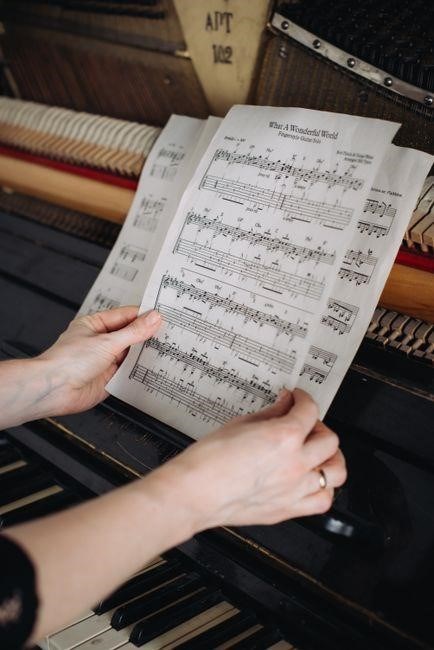
When mastering the moon river sheet music pdf, advanced players should focus on expressive nuance and structural clarity․ Begin by dissecting the harmonic framework: identify secondary dominants, modal shifts, and chromatic passing tones that add color․ Use a metronome to lock the pulse, then introduce subtle rubato to breathe the melody․ Experiment with voicing—block chords, arpeggios, or pedal points—to create depth while keeping the left hand supportive․ Pay close attention to pedal usage; balance sustain with clarity to avoid muddiness․ Incorporate expressive techniques such as portamento, glissandi, or microtonal bends where appropriate, always respecting the original intent․ Analyze the form: locate the A–B–A–C–A–B–C structure, and emphasize thematic material through dynamic swells or harmonic shifts․ Practice hands separately, then blend, ensuring both parts remain in sync․ Record yourself to critique articulation, timing, and emotional impact․ Use a dynamic range from pianissimo to mezzo‑forte, shaping phrases with crescendos and diminuendos․ When performing live, engage the audience by varying tempo slightly, creating a conversational feel․ Finally, study interpretations by master musicians, noting phrasing choices, tempo rubato, and expressive nuances․ By integrating these advanced techniques, you transform the moon river sheet music pdf from a simple exercise into a compelling, emotionally resonant performance that showcases technical mastery and artistic depth․
In addition, consider the song’s lyrical themes of longing and hope, and let them guide your dynamic shaping․ Use syncopations in the accompaniment to add rhythm interest without disrupting the lyrical flow․ Practice the piece in sections, gradually linking them together, and use a metronome to maintain consistent tempo․ Record rehearsals and listen critically, focusing on intonation, phrasing, emotional delivery․․․

Legal Considerations and Copyright
Moon River sheet music pdf remains under copyright․ Use only licensed copies, avoid public performances without permission, and respect fair‑use limits․ Distribute only with proper attribution, and consult legal counsel for commercial use․ Ensure compliance with laws․ today!
Copyright Laws and Fair Use
Copyright laws govern the use of moon river sheet music pdf․ The original composition by Henry Mancini and lyrics by Johnny Mercer is protected under U․S․ copyright law, which grants exclusive rights to reproduce, distribute, and publicly perform the work․ The copyright term for this piece extends to 95 years from publication, ensuring that any derivative use must be authorized by the rights holder․ In practice, this means that downloading or sharing moon river sheet music pdf without proper licensing is illegal and may result in civil penalties․
Fair use is a limited exception allowing certain non‑commercial or educational uses briefly․ The four factors—purpose, nature, amount, effect—are weighed․ For example, a teacher might reproduce a short excerpt of moon river sheet music pdf for a classroom demo, arguing it is transformative․ Large‑scale distribution or public performance without permission would likely fail the effect factor, reducing the market for the original work․
When in doubt, seek permission from the publisher or use licensed platforms that provide moon river sheet music pdf under a clear license․ Many publishers offer digital downloads with explicit usage rights, and some educational institutions subscribe to libraries that provide lawful access․ Always verify the license terms before publishing arrangements or recordings to avoid infringement․